
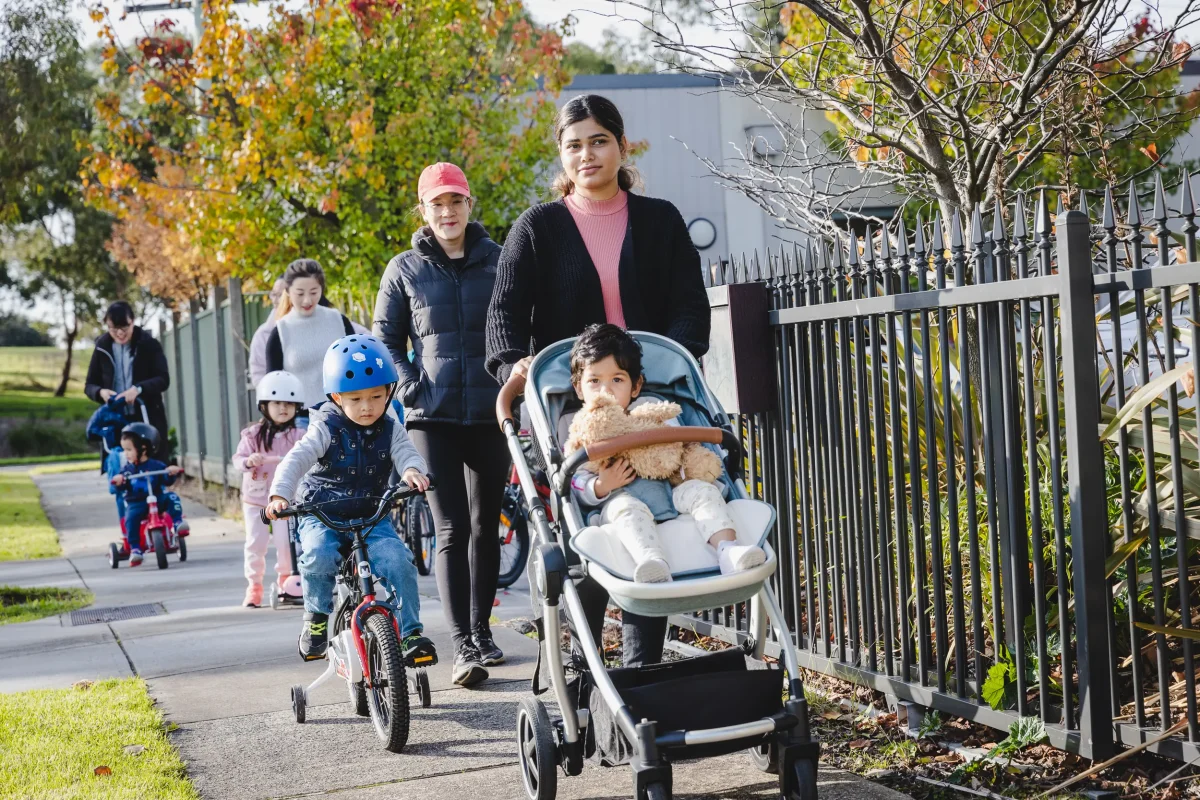
There is a famous proverb: “It takes a village to raise a child”. What does it mean and how would this apply to raising children in the modern era?
The role of community in early childhood education.

Community is a fundamental concept in children’s education and care services, embedded in the National Quality Framework legislation and the National Quality Standard (NQS). Collaborative partnerships with families and communities are the focus of NQS Quality Area 6.
What is a community in an early childhood setting?
In early childhood education, community involves connections between children, families, care providers, and local organizations. A strong community provides a supportive and inclusive environment that helps children develop social-emotional skills and feel a sense of belonging.
What is a sense of community?
A sense of community is characterized by four positive feelings:
- Belonging: Feeling accepted, safe, and part of the community.
- Influence: Feeling that you matter and can make a difference in the community, and that the community can influence its members.
- Integration and Fulfillment of Needs: Feeling that your needs can be met by the community.
- Shared Emotional Connection: Feeling attached or bonded to community members through shared experiences, place, or history.
Why is a sense of community important?
A strong sense of community is crucial for positive developmental and educational outcomes for children. It fosters a supportive environment where children can grow, learn, and thrive. By connecting and collaborating with their community, education services can create a nurturing atmosphere that promotes children’s overall well-being and development.
Why should services be connected with the community?
In an education and care setting, community means having a meaningful connection to a place and a group of people. Community members are valued, and through strong, positive relationships and shared decision-making, they develop a sense of belonging and connection. A strongly connected community boosts children’s confidence, providing a secure foundation for them to explore the world freely.
A community is often driven by a shared purpose—the tangible reason for connecting and working together. In children’s education and care settings, this shared purpose ideally promotes positive educational and developmental outcomes for children. While individual community members, such as educators and families, may already have this goal in mind, working together towards it can often lead to even greater learning outcomes.
By fostering these connections, education services can create a supportive environment where everyone—children, families, and educators—thrives together.
In the Early Years Learning Framework (EYLF); Learning Outcome 2, Children are connected with and contribute to their world
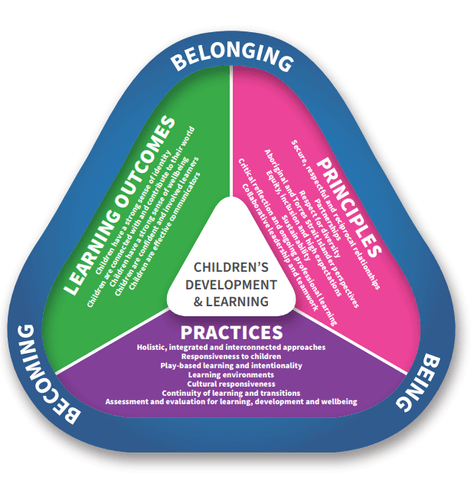
In the Early Years Learning Framework (EYLF), Learning Outcome 2 emphasizes the importance of children developing a sense of connectedness to groups and communities, and understanding their reciprocal rights and responsibilities as active, informed citizens. This outcome focuses on several key areas:
- Respect for Diversity: Children learn to respond to diversity with respect.
- Awareness of Fairness: Children become aware of the concept of fairness.
- Social Responsibility: Children become socially responsible and show respect for the environment.
Experiences of Relationships and Participation in Communities
From birth, children engage in various communities, such as families, local communities, or early childhood settings. Positive identity and respectful, responsive relationships strengthen children’s interests, knowledge, and skills, enabling them to become active contributors to their world. As children move into early childhood settings, they expand their experiences and relationships, broadening their community participation.
Development of Social Connections
The ways children connect and participate with others become more varied and complex over time. Young children show their interest in relating to others through smiling, moving, imitating, gesturing, and making sounds. As they grow, they develop more sophisticated methods of connecting and communicating. Older children become more aware of how others perceive them, understand friendships better, and realize that their actions affect others’ feelings and sense of belonging.
Fostering Belonging and Contribution
Feelings of belonging enhance children’s connection and contribution to their world. Belonging involves relationships with people, places, and communities. Educators play a crucial role in helping children explore values, traditions, and practices of their own and others’ families and communities. Creating environments where all children experience caring and respectful relationships with people and the environment encourages positive responses.
Collaborative Participation and Decision-Making

When children participate collaboratively in daily routines, events, and experiences, and have opportunities to contribute to decisions, they learn to live interdependently. Services can support children’s sense of belonging by fostering connections and engagement with the local community. Respectful and responsive connections with the community enrich the educational program for all children.
Incorporating Diverse Perspectives
Inviting community members to share their interests and expertise broadens children’s understanding of the world. Educators engage with Aboriginal and Torres Strait Islander people to embed their perspectives into the setting’s philosophy, planning, and curriculum. Respectful and truthful reflection of Aboriginal and Torres Strait Islander histories and cultures is achieved through community involvement and culturally sensitive practices, enhancing children’s learning experiences.
More than Just Child Minding
Our Centre is more than just a place for child care; it’s a vibrant community where families come together, cultures are celebrated, and lifelong connections are made. Here’s how we nurture our community spirit:
Celebrating Cultural Events and Festivals

We embrace a variety of cultural events and festivals, helping children learn about and appreciate different cultures and traditions. From Diwali to Christmas, every celebration is a joyful learning opportunity.
Homely Learning Environments
Our learning environments are designed to feel like home. A comfortable and familiar setting enhances learning and development, making our centre a home away from home for our little ones.
Parental Involvement in Children’s Programs

Parents are a crucial part of our community. We regularly invite them to join teacher-led projects with their children. Activities like road safety projects or making dumplings for Lunar New Year create memorable experiences and strengthen family bonds.
Open Door Policy
We operate with an open-door policy, encouraging families to visit the centre anytime. We believe in transparency and welcome parents to see our services in action, fostering trust and a sense of belonging.
Regular Networking Events
Our networking events bring together educators and parents to share insights, ideas, and experiences. These events build relationships and support our shared goal of providing the best care and education for our children. Special celebrations, like our Mother’s Day event, honor the amazing mothers in our community.
Special Cultural Celebrations

We celebrate each culture represented at our centre meaningfully. Educators and parents plan and implement these celebrations, enhancing children’s learning outcomes. Cultural events promote awareness, social and emotional development, and acceptance of the wider community.
Join us and be a part of our warm and inclusive community! We are always excited to welcome new families into our fold. Visit us anytime to experience the community spirit at Bright Early Learning Centre.
Importance of Celebrating Cultural Events and Festivals in Early Childhood Education

Promoting Cultural Awareness and Respect
Exposure to diverse cultural events helps children understand and respect the traditions, languages, and practices of others. This early exposure fosters empathy and reduces biases, contributing to a more inclusive community.
Enhancing Social and Emotional Development
Cultural celebrations involve collaborative activities, helping children develop social skills like teamwork, communication, and empathy. These activities allow children to express emotions, build self-esteem, and develop confidence.
Creating a Homely and Inclusive Environment
Incorporating cultural events into the curriculum creates a “home away from home” atmosphere. Celebrating cultural diversity ensures every child feels represented and valued, reinforcing their identity and self-worth.
Strengthening Community Bonds
Cultural celebrations bring together families, educators, and children, strengthening the community. These events provide a platform for families to share their heritage, enriching the educational experience for everyone involved.
Supporting Cognitive and Language Development
Engaging in cultural activities stimulates cognitive development and language skills. Learning new songs, dances, stories, and crafts associated with different cultures enhances memory, creativity, and critical thinking.
At Bright Early Learning Centre, we are dedicated to creating an inclusive and supportive environment where every child can thrive. Join us in our celebrations of culture and discover how we can support your child’s growth and development.
References:
– ‘It takes a village to raise a child’: The role of community
– The Early Years Learning Framework for Australia V2.0, 2022 (pg 38 & 39)
– Valuing Diversity: Developing a Deeper Understanding of All Young Children’s Behavior
– Why Cultural Diversity is Vital in Early Learning
– Embracing Cultural Diversity in Early Childhood Education: Strategies and Benefits